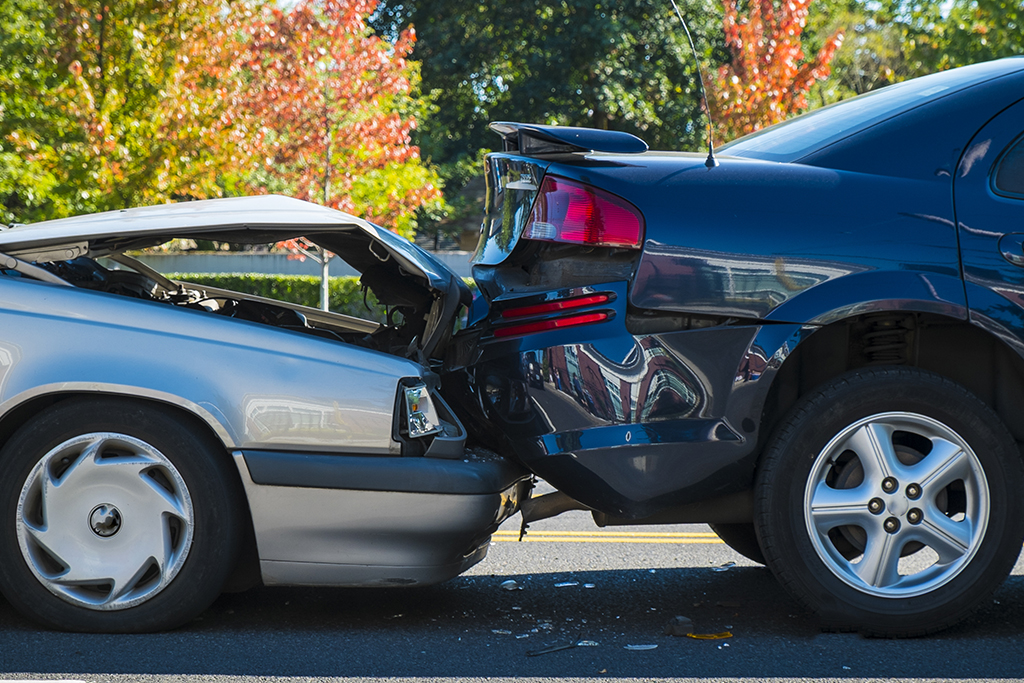
Motor Vehicle Injury Claims

Car Accident

Overview

In a motor vehicle injury claim, the plaintiff—the injured driver, passenger, or pedestrian—pursues financial compensation from the at-fault party or their insurance provider by proving that the defendant’s negligence caused the crash. To build a viable claim, the plaintiff must establish liability through key evidence such as police reports, witness statements, and crash scene data, while documenting the full extent of their losses using medical records, diagnostic reports, and proof of missed wages. Compensation generally accounts for both tangible economic damages (like ER visits, ongoing rehabilitation, and lost earnings) and non-economic harm (such as physical pain and suffering or diminished quality of life). While the vast majority of these claims are resolved through structured pre-trial settlement negotiations or mediation with insurance adjusters, cases involving contested liability or insufficient settlement offers may proceed to formal civil litigation in court.

Frequently Asked Questions

Your Title Goes Here

Your content goes here. Edit or remove this text inline or in the module Content settings. You can also style every aspect of this content in the module Design settings and even apply custom CSS to this text in the module Advanced settings.

1. Will my case need to go to trial?
The odds of your claim needing to go to trial in court are very slim. Over 90% to 95% of car accident personal injury cases resolve through out-of-court negotiated settlements before ever reaching a jury trial.

Cases proceed to trial primarily when liability is disputed (both sides disagree on who caused the crash) or when the defense insurance carrier refuses to offer fair value for the claim.

In all cases, it is up to you if you want to go to trial. If we think a settlement seems fair, we will recommend taking it. But, if you still think you deserve more, we will take the claim to trial and fight for you.

2. Should I give a recorded statement to the other driver’s insurance adjuster?
You are under no legal obligation to provide a recorded statement to the opposing driver’s insurance company. Furthermore, insurance adjusters frequently use recorded statements to elicit answers that minimize the insured driver’s liability or downplay the severity of your injuries.

It is always in your best interest to have your attorney handle all communications regarding your claim.

3. What happens if the driver who hit me has no insurance?
If the at-fault driver is uninsured or flees the scene (hit-and-run), your own Uninsured Motorist (UM) coverage steps in to pay for bodily injuries and medical bills.

If the at-fault driver’s insurance limits are lower than your total damages, Underinsured Motorist (UIM) coverage compensates for the remaining balance up to your policy limit.

4. How can I stay updated on this case?
You can stay updated by filling out our case inquiry form to receive direct email alerts regarding major milestones, court filings, and settlement updates. We will also publish key case developments directly to this website news feed.
5. How long will it take to get compensation
Every case is different and the plaintiffs are going to do everything they can to fight these claims. That said, it is not uncommon for litigation to take some time to reach a conclusion. We will contact you as necessary when we need documents from you. But, during the early stages of the litigation, we will focus on building the legal arguments and expert testimonies. So, it may be a while before we need your input. Please be patient while we work through these first stages.

Do You Have A Question?